New Let’s Worship Series in 2nd Corinthians
5 Oct 2026 | Featured News
We've started a new series this week in our Let's Worship God booklets. What are these booklets? They have a Bible reading passage, notes written…

The beautiful Callendar House has a history stretching back to the 14th Century and the Livingston family who lived in it have been at the centre of some of the major events in Scotland’s Reformations.
Alexander Livingston, 5th Lord Livingston, was one of the noble custodians of the infant Mary, Queen of Scots, following the death of her father, James V, in 1542. During the Rough Wooing of Henry VIII, Alexander’s son John Livingston was killed at the Battle of Pinkie in 1547. During this time Alexander was one of the eight noblemen (“keepers of the Quenis Grace”) tasked with protecting the Queen. He accompanied Mary to France to be married to the French Dauphin and died there.
His son William Livingston, 6th Lord Livingston, was a strong supporter of the Protestant Reformation in Scotland, but he was also fiercely loyal to Mary, Queen of Scots, too. His Sister was one of Mary, Queen of Scots’ close maids, four women also named Mary known as the “Four Mary’s”. Callendar House was a welcoming place for the Queen, and she visited regularly. Following Mary’s arrest and escape from Loch Leven castle, William fought on the Queen’s side at the Battle of Langside in 1568 where they were defeated. Despite Mary fleeing into exile in England, he would continue to support her cause. He had fled with Mary to England, but being a Protestant, he was allowed to return to Scotland.

Alexander Livingston, 7th Lord Livingston and 1st Earl of Linlithgow, was a close confidant of Mary, Queen of Scots’ son, King James VI. The young King was brought up in Stirling Castle for safety, and Alexander accompanied him to Edinburgh on the occasion of his royal entry, the beginning of him taking over official duties. Livingston was a member of the assize for the trial of the Regent Morton in 1581 after he was accused of being part of Darnley’s murder. Although he was a Protestant, Alexander married a devout Roman Catholic, Helenor Hay. Both him and his wife were given the job of taking care of the young Princess Elizabeth, and she spent her childhood at Callendar House. (Princess Elizabeth would later marry Frederick, the Elector Palatine. It would be through this marriage that the Hanoverians would come to power following the demise of the Stuart dynasty.) Having a Roman Catholic take care of the Princess caused alarm, and the Kirk voiced its concern about this. Although remaining loyal to the king following the Union of the Crowns, Alexander Livingston did not support the king’s changes to the Church in Scotland and in 1621 voted (through his Procurator) against the Five Articles of Perth. These were the five episcopal and Roman Catholic worship practices forced on the Scottish church.
Alexander’s third son, James Livingston, 1st Earl of Callendar, purchased the lands from his brother in 1633. He was a strong Presbyterian and signed the National Covenant in 1638, but in the following Bishop’s Wars it is difficult to ascertain where his loyalties truly lay. He was lieutenant-general to Alexander Leslie in the Covenanter army, and his troops successfully captured Newcastle. Despite this, various things still made people suspicious of him, particularly his acquaintance with the royalist Montrose. He was one of the leaders of those who “Engaged” with the king and was disappointed not to be the commander of the Engager army that entered England, having to settle for second in Command to the Duke of Hamilton. That army was defeated at the Battle of Preston, and he fled abroad. Callendar House, which was now a Royalist garrison, was besieged by Cromwell’s troops under general Monck. The house was stormed and several defenders killed. Monck then occupied it. James Livingston returned in 1651 and fought again in another failed battle, this time for Charles II against Oliver Cromwell and his forces at the Battle of Worcester. After the restoration, he again rose to prominence, had his titles restored and was one of those Earls who carried the Marquis of Montrose’s coffin at his reburial in St Giles in 1661.
One of James Livingston’s nephew’s, George Livingston, 3rd Earl of Linlithgow, was a persecutor of the Covenanters. In 1677 he was appointed commander of the government forces in Scotland and was tasked with dealing with the Covenanters and controlling the field conventicles. He worked closely with Graham of Claverhouse, and it was to Livingston that Claverhouse wrote a letter following his defeat at Drumclog. After Bothwell Bridge Livingston continued his persecution with more vigour.
The Livingston family lost Callander House after siding with the “Old Pretender” in the Jacobite Rising of 1745.
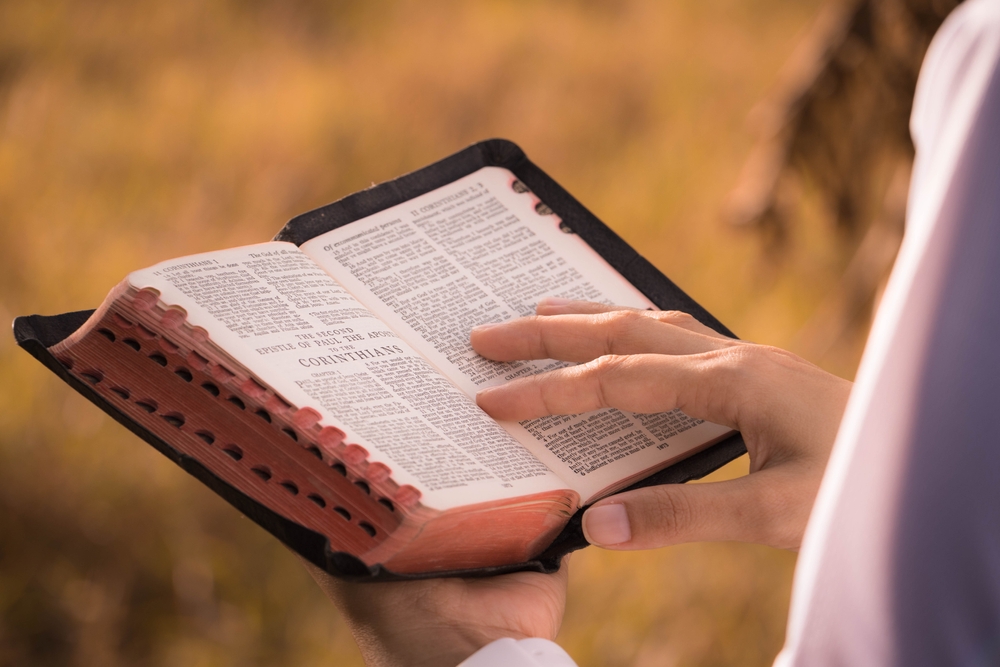
We've started a new series this week in our Let's Worship God booklets. What are these booklets? They have a Bible reading passage, notes written…

A conventicle to mark the re-dedication of the monument to Rev John MacMillan in Dalserf churchyard South Lanarkshire (6 Kirk Rd, Dalserf, Larkhall ML9 3BL)…
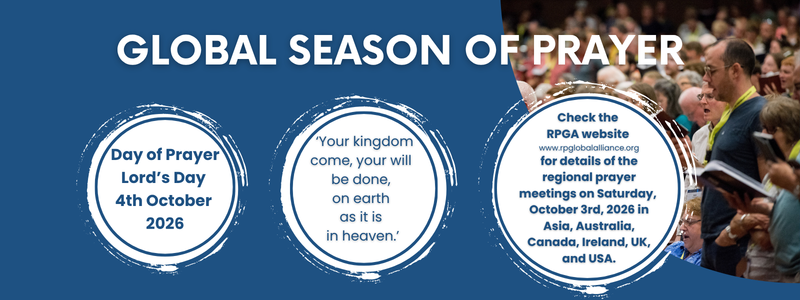
The Reformed Presbyterian Churches of North America, Ireland, Scotland and Australia have an annual joint Day of Prayer, usually in the autumn. It is a…