New Let’s Worship Series in 2nd Corinthians
5 Oct 2026 | Featured News
We've started a new series this week in our Let's Worship God booklets. What are these booklets? They have a Bible reading passage, notes written…

“”I used to vote for [insert name of political party], but not anymore. They’re all as bad as each other.” Such sentiments are increasingly being voiced. Politicians and their parties are seen as promising whatever it takes to get into power — and then failing to follow through once they do. As someone who has never voted for any politician — and so has no dog in this particular fight — I’m finding that my position is not as unusual as it once was.
I’m not so cynical as to argue that everyone who gets in to politics does it for self-centred reasons. It’s surely right to acknowledge the hard and selfless work of some politicians across the political spectrum. Yet many are agreed that something needs to change. And I would argue for that being far more structural than cosmetic.
The foundational question that must be asked is about which values will shape our politics. It would seem today that we have three main options. Is society best served by secular values, Islamic values, or Christian ones? To many, the answer is self-evidently the first one. Those who are religious shouldn’t seek to impose their values on society. Yet that is to talk as if there could be a government in power which wouldn’t seek to impose its views on society. Such a mythical creature doesn’t exist.
Can a government leave the decision whether to steal or kill up to the individual? Surely not! The question then becomes, not whether those in power have a right to impose their views — but what their views are, and what philosophical commitments shape them.” Read the rest of this article written by Rev. Stephen Steele for a local paper here.
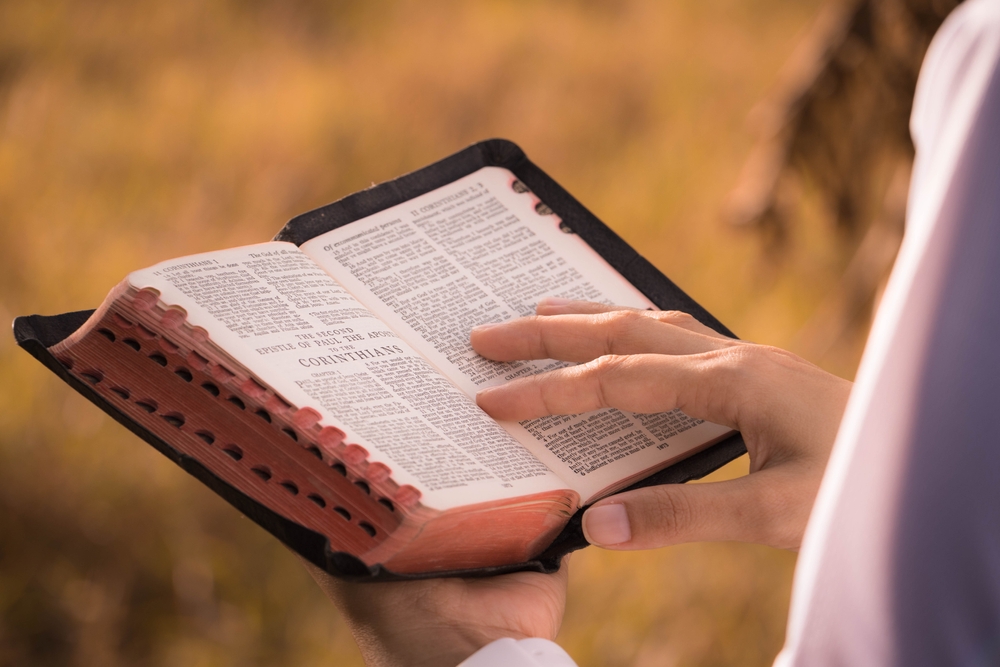
We've started a new series this week in our Let's Worship God booklets. What are these booklets? They have a Bible reading passage, notes written…

A conventicle to mark the re-dedication of the monument to Rev John MacMillan in Dalserf churchyard South Lanarkshire (6 Kirk Rd, Dalserf, Larkhall ML9 3BL)…
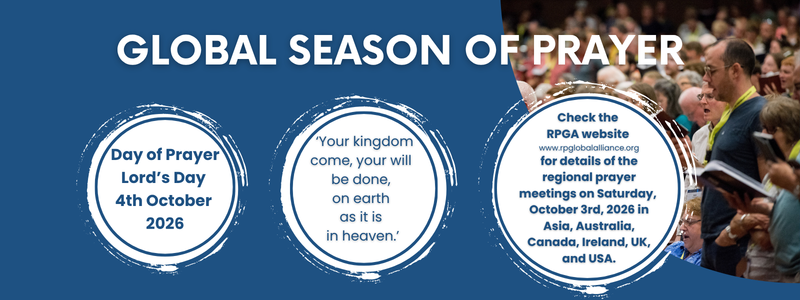
The Reformed Presbyterian Churches of North America, Ireland, Scotland and Australia have an annual joint Day of Prayer, usually in the autumn. It is a…